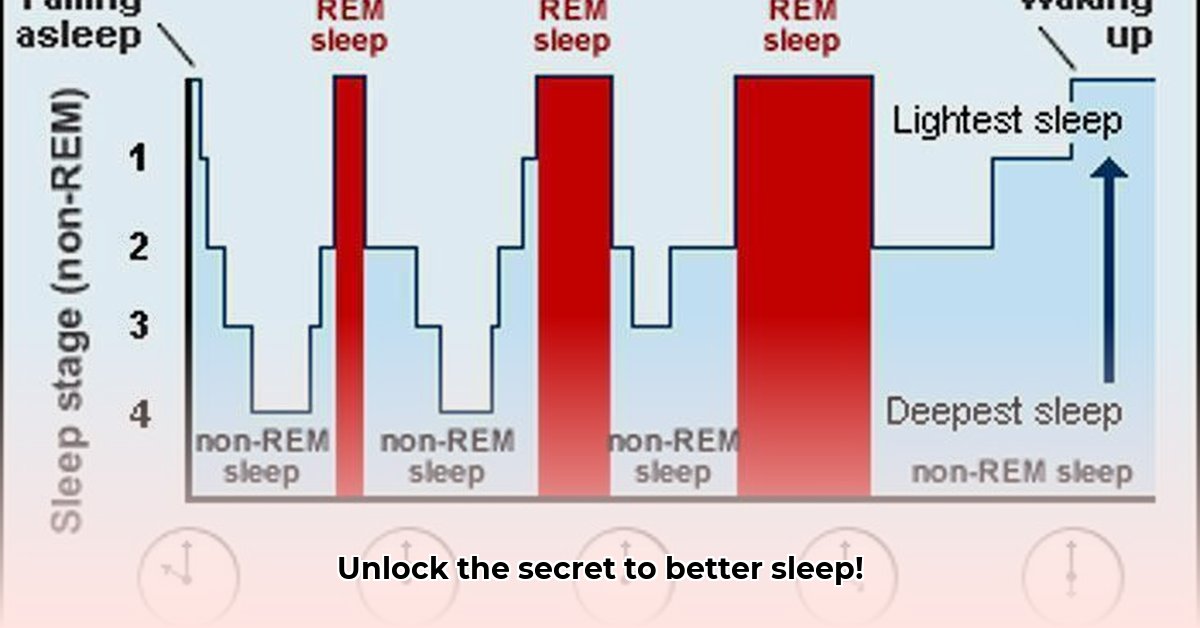
Hey there, lekker slaap! We all crave that tjommie feeling of waking up refreshed, right? But how much do you actually know about what happens while you're catching those Zzz's? This isn't just about counting sheep; it's about understanding REM sleep – that crucial part of your sleep cycle where the dreaming happens and your brain does its important overnight housekeeping. We'll break it down simply, explain how much REM sleep you need (it depends on your age!), show you the sneaky things that might be messing with your sleep, and give you practical tips to improve it. Think of it as your personal guide to unlocking better, more restorative sleep – so you can wake up feeling amazing!
Decoding REM Sleep: What's the Big Deal?
REM, or Rapid Eye Movement, sleep (the phase where your eyes move quickly under your eyelids) is where the magic happens in your brain. This is dreamland, where your brain busily sorts through the day's events, learning new things and tucking away important memories. It's like your brain's nightly spring clean. During REM, your brain is incredibly active. Skimp on REM, and you might find yourself feeling a bit vaag, struggling to focus, or even a bit more emotionally knap than usual.
The REM Sleep Mystery: How Much is Enough?
Unlike figuring out your total sleep time (most adults aim for 7-9 hours), figuring out your perfect REM dose is trickier. Studies suggest REM makes up around a quarter of your total sleep time. But that's just a ballpark figure, not a strict rule. Your personal REM needs are influenced by factors like your age, overall health, and even how stressed you've been lately. A tiny newborn needs way more REM than your ouma. And if you're battling an illness or feeling constantly stressed, your body might be demanding more restorative sleep – including that all-important REM. It's like your body's way of saying, "Hey, I need a bit of extra TLC tonight!"
Did you know? REM sleep is crucial for memory consolidation and emotional processing. Are you struggling to remember things or feeling emotionally drained? A REM sleep deficit might be the culprit.
Clues You Might Be REM-Deprived
Ever feel completely moeg, even after a full night's sleep? Is your memory playing tricks on you? Feeling a bit emotionally all over the place? These could be signs that your REM sleep is taking a holiday.
Supercharging Your REM Sleep: Practical Tips
While we can't give you a precise REM target, we can definitely help you improve the quality and duration of your REM sleep. Here's how to give your REM a boost:
Establish a Regular Sleep Schedule: Try to go to bed and wake up around the same time each day, including weekends. This helps regulate your body's natural sleep-wake rhythm, making it easier to drift off and improve the quality of your sleep. Consistency is key!
Create a Relaxing Bedtime Ritual: Start winding down an hour or two before hitting the pillow. Think a warm bath, a good book, or some gentle stretches. Put away those screens! The blue light from devices can interfere with your natural sleep-wake cycle.
Optimise Your Sleep Sanctuary: Make sure your bedroom is dark, quiet, and cool. Invest in a comfortable mattress and pillows – you'll spend a third of your life on them, after all!
Tame Your Stress: Stress is a notorious REM sleep saboteur. Find healthy ways to manage stress, like regular exercise, meditation, or simply spending some time in nature.
Review Your Diet and Exercise Routine: Regular exercise is wonderful, but avoid intense workouts close to bedtime. A balanced diet also plays a role in better sleep.
Seek Professional Guidance: If you consistently struggle to get a good night's rest, chat to your doctor. They can check for any underlying health problems and suggest appropriate solutions, perhaps even recommending a sleep study if needed.
The REM Sleep Bottom Line
Finding that perfect REM sleep amount is unique to each of us. But by focusing on good sleep habits and addressing any issues that might be affecting your sleep, you can significantly improve your sleep quality and overall well-being. Remember, a balanced sleep pattern, including enough REM sleep, is vital for both your physical and mental health. So, prioritize your sleep – it’s an investment in your future self!
Understanding Deep Sleep: N3's Role in Restorative Sleep
Key Takeaway: Adequate REM sleep, alongside sufficient deep sleep (N3), is vital for feeling your best. Let's get into how improved deep sleep contributes to your overall health. Did you know that getting enough deep sleep is as important as getting enough REM sleep?
Deep Sleep and Age: A Changing Landscape
The amount of sleep we need changes throughout life. Babies need a lot – up to 17 hours! – while adults generally require 7-9 hours. The crucial factor isn't just how much you sleep, but how well you sleep. Adults typically need 1.5 to 2 hours of deep sleep every night. Less than that, and you might feel the consequences.
Think of deep sleep as your body's nightly repair shop. During this phase, growth hormones are released, your immune system is boosted, and memories are consolidated. Deep sleep deprivation can weaken your immune system, impair cognitive abilities, and even increase your risk of chronic diseases.
Practical Steps to Enhance Deep Sleep
Here are some practical steps to bolster your deep sleep:
Optimise Your Sleep Environment: Aim for a cool, dark, and quiet bedroom. A comfortable mattress and pillows are essential.
Establish Consistent Sleep Patterns: Stick to a regular sleep schedule, going to bed and waking up at roughly the same time each day, even on weekends.
Avoid Stimulants Before Bed: Cut down on caffeine and alcohol, especially in the evening. These substances can interfere with deep sleep.
Relax Before Bed: Engage in calming activities like reading (a physical book, not a screen!), taking a warm bath, or gentle stretching to wind down before sleep.
Regular Exercise (But Not Too Close to Bedtime!): Physical activity is fantastic, but avoid intense workouts close to bedtime.
Manage Stress Effectively: Stress can wreck your sleep. Implement stress-reduction techniques, such as meditation, yoga, deep breathing, or spending time in nature.
Nourish Your Body with a Balanced Diet: A healthy diet can significantly impact your sleep quality.
Seek Professional Help if Needed: If sleep problems persist, consult your doctor or a sleep specialist. They can help identify and address any underlying medical or psychological issues.